In the ever-evolving world of web design, staying ahead of the curve is essential to deliver cutting-edge and appealing websites to clients. As we look forward to 2024, several web design trends and advancements in AI are set to reshape the way websites are created and experienced. By understanding and implementing these trends, web designers can equip themselves to have a successful year ahead, delivering exceptional work to their clients. In this article, we will delve into six web design trends that are set to dominate 2024.
1. AI-Generated Imagery: Enhancing Visual Appeal and Personalisation
Visual assets play a crucial role in web design, as people tend to gravitate towards images, videos, and animations rather than text. In 2024, we can expect to see a surge in the use of AI-generated imagery. Traditionally, creating custom imagery was challenging and expensive, with a reliance on costly stock photos. However, the rise of AI and AI design tools has revolutionised web design, enabling designers to create custom images effortlessly and cost-effectively.
AI-generated imagery not only saves time and money but also allows for the creation of unique and personalised visuals that resonate with the target audience. By exploiting AI, designers can explore endless possibilities in visual content creation, giving them the ability to differentiate their work in a competitive landscape. This trend empowers designers to craft visually stunning websites that capture the attention and imagination of users, enhancing the overall user experience.
2. Dark Mode Websites: Aesthetic Appeal and Enhanced User Experience
Dark mode websites have gained immense popularity in recent years, with Linear setting a significant trend. Dark mode offers several advantages that make it a favourite among designers. Firstly, it provides an easy-on-the-eyes experience, making it effortless for users to consume content for extended periods. Moreover, dark mode exudes a clean, clear, and professional look, often conveying a serious tone that is ideal for various types of websites.
It’s worth noting that dark mode doesn’t necessarily mean a black background. Designers can use a range of dark colours to create captivating background gradients, highlights, and glows, breathing life into their designs. This trend not only enhances the aesthetic appeal of websites but also improves the overall user experience by reducing eye strain and creating a visually pleasing environment.
3. 3D and Immersive Elements: Creating Engaging and Interactive Experiences
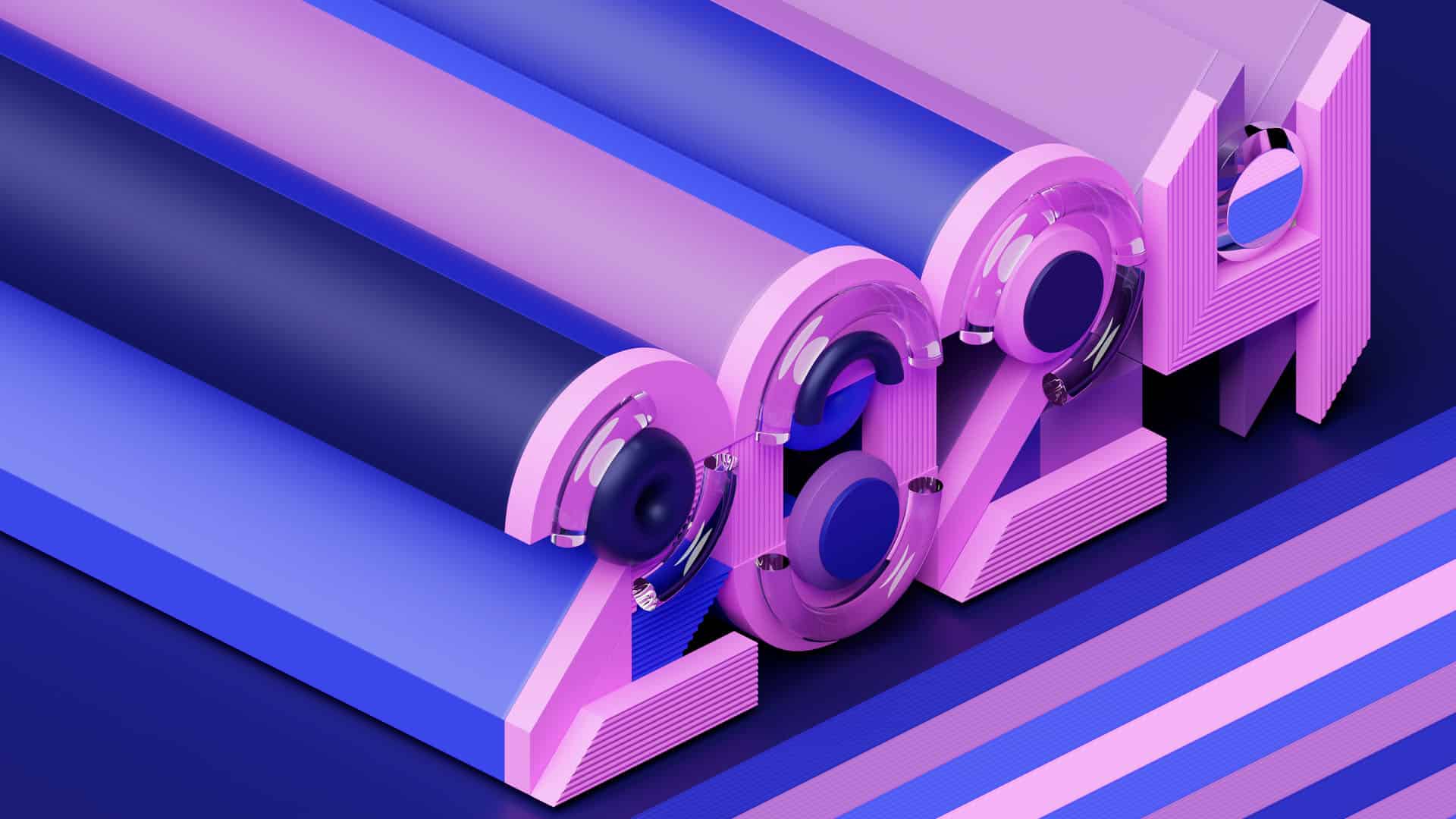
In 2024, we can expect to see a surge in the use of 3D elements and animations in web design. These interactive elements offer a more dynamic and engaging experience for site visitors, creating a sense of immersion. From animation techniques that make pages lively to the integration of virtual reality, 3D elements are set to dominate the web design landscape.
The use of 3D elements allows designers to break away from traditional web design grids and add visual interest to their websites. These elements create a unique and captivating user experience by providing a sense of depth and interactivity. By integrating 3D and immersive elements into their designs, web designers can elevate the storytelling capabilities of their websites, guiding users on an engaging visual journey.
4. Sustainability and Eco-Friendly Design: Designing with a Purpose
As the world becomes more environmentally conscious, sustainability and eco-friendly design are gaining prominence in web design. Designers are increasingly focusing on creating websites that reflect modern values regarding sustainability. This includes incorporating colour schemes that echo natural elements and embracing minimalist design principles.
Sustainability and eco-friendly design not only align with the current cultural shift towards environmental responsibility but also offer a unique opportunity for designers to create visually stunning and purpose-driven websites. By integrating sustainability into their designs, web designers can showcase their commitment to environmental consciousness and attract like-minded clients who value eco-friendly practices.
5. Abstract and Organic Shapes: Breaking Away from Traditional Grids
In 2024, we can expect to see a departure from traditional web design grids in favour of abstract and organic shapes. This trend adds visual interest and makes the entire page appear more dynamic and fluid. By breaking away from rigid grid structures, web designers can create unique and captivating designs that capture the attention of users.
Abstract and organic shapes offer a fresh and modern approach to web design, allowing designers to create visually appealing websites that stand out from the crowd. These shapes can be used to frame content, guide the user’s attention, and create a sense of movement. By embracing this trend, web designers can infuse their designs with a sense of creativity and originality.
6. Neumorphism (Soft UI): Balancing Minimalism and Tactile Experience
Neumorphism, also known as Soft UI, combines elements of skeuomorphism and flat design to create soft, easy-to-interact-with, and visually appealing interfaces. This design trend is characterised by minimal colour contrasts and soft, raised elements, resulting in a tactile experience for users.
Neumorphism offers a unique approach to web design, striking a balance between minimalist aesthetics and a more engaging user experience. By incorporating this trend into their designs, web designers can create interfaces that are not only visually pleasing but also intuitive and easy to navigate. Neumorphism is particularly well-suited for brands that value a clear and minimalist look, enhancing the overall user experience on their websites.
Conclusion
As we look ahead to 2024, web design is set to be revolutionised by these exciting trends. From AI-generated imagery to dark mode websites, 3D and immersive elements, sustainability and eco-friendly design, abstract and organic shapes, and neumorphism, web designers have a wealth of opportunities to create visually stunning and comfortable websites. By embracing these trends and incorporating them into their designs, web designers can deliver exceptional, cutting-edge experiences to their clients, setting them apart in a competitive industry. So, gear up and get ready to revolutionise the world of web design in 2024 and beyond!
Finally, if you’re looking to start a web design project in 2024, feel free to contact our team, who will be happy to talk through the options with you and guide you in your decision-making process.

Edward Solomon has over 30 years’ experience in project management, technical education, computer networking, web design and development and is a Digital Business Consultant for PENNInk Productions Ltd.