As a small business owner, you may be wondering whether investing in a professional logo design is worth it. After all, you can always create your own logo using free online tools, right? While it may be tempting to cut costs and take the DIY route, the truth is that a professional logo design can have a significant impact on your brand identity and your business’ success. In this article, I will explore the importance of professional logo design, the key elements of a successful logo, the process of creating a professional logo, and the benefits of investing in one.
Introduction to Logo Design
A logo is a visual representation of your business. It is often the first thing that potential customers see when they come across your brand. A logo can help you stand out from the competition, communicate your values and personality, and create a memorable impression. A well-designed logo can also help establish trust and credibility with your audience, making it easier to convert leads into customers.
The Importance of a Professional Logo Design
A professional logo design is important for several reasons. First, it communicates professionalism and expertise. When you have a professional logo, it shows that you take your business seriously and that you are committed to providing high-quality products or services. A professional logo can also help you differentiate your brand from competitors, making it easier for customers to recognize and remember your business.
In addition, a professional logo can help you establish a strong brand identity. Your logo should be consistent across all of your marketing materials, from your website to your business cards. This consistency helps reinforce your brand and creates a sense of trust and familiarity with your audience. Lastly, a professional logo can help you attract new customers. A well-designed logo is more likely to catch the eye of potential customers and leave a lasting impression.
How a Logo Can Impact Your Brand Identity
Your brand identity is more than just your logo, but your logo is a key component of it. Your logo should reflect your brand’s values, personality, and mission. For example, if you run a yoga studio, you may want your logo to convey a sense of calmness, harmony, and balance. On the other hand, if you run a tech startup, you may want your logo to convey innovation, creativity, and cutting-edge technology.
Your logo can also impact the emotions and perceptions of your audience. A logo that is poorly designed or outdated can create a negative impression of your brand. On the other hand, a logo that is well-designed and modern can create a positive impression and lead to increased brand loyalty.
The Key Elements of a Successful Logo Design
- A successful logo design should be simple, memorable, timeless, and versatile. It should be easy to recognise and understand, even when viewed at a small size or from a distance. A good logo should also be memorable, so that it sticks in the minds of your audience.
- A timeless logo is one that will not look outdated in a few years. It should be designed with longevity in mind, so that it can be used for many years to come.
- A versatile logo is one that can be used across a variety of media, from your website to your business cards. It should be scalable and work well in both colour and black and white.
DIY vs. Professional Logo Design
While it may be tempting to create your own logo using free online tools, there are several reasons why you should invest in a professional logo design. First, a professional designer has the expertise and experience needed to create a truly unique and effective logo. They can help you create a logo that is tailored to your specific business and audience.
In addition, a professional logo designer can help you avoid common mistakes that DIY designers often make. For example, they can ensure that your logo is scalable and can be used across a variety of mediums. They can also help you create a logo that is timeless and will not look outdated in a few years. They will even take into consideration accessibility issues such as colour-blindness.
The Process of Creating a Professional Logo Design
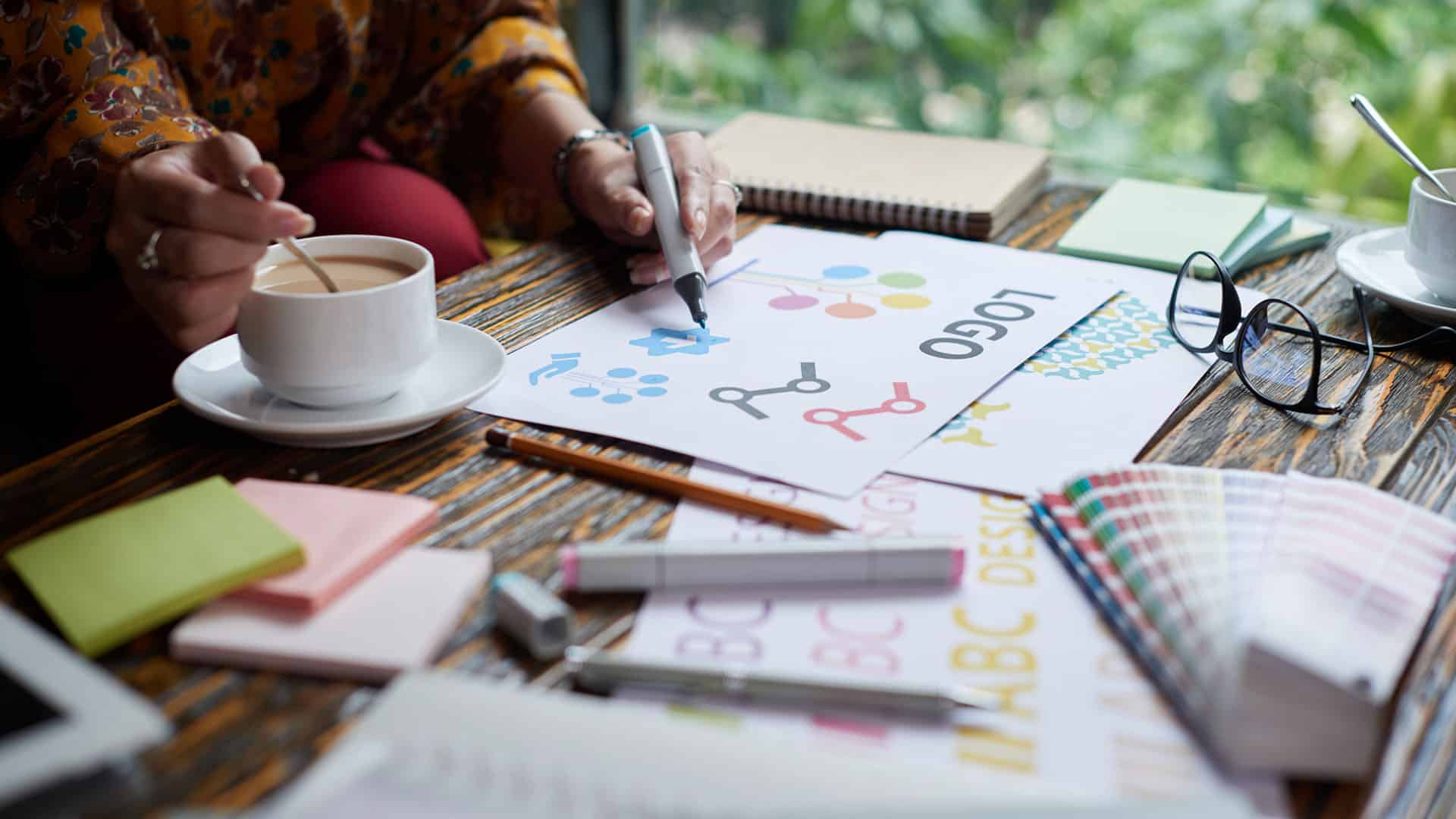
The process of creating a professional logo design typically starts with a consultation between you and the designer. During this consultation, the designer will ask you about your business, your audience, and your goals. They may also ask you to provide examples of logos that you like and dislike.
Once the designer has a good understanding of your business and audience, they will begin the design process. This may involve creating several initial designs for you to choose from, or it may involve creating one design that can be refined based on your feedback. Once you have chosen a design, the designer will refine it and make any necessary revisions.
How to Choose the Right Logo Design for Your Business
Choosing the right logo design for your business can be a daunting task. There are several factors to consider, including your audience, your brand identity, and your goals. When choosing a logo design, it is important to keep in mind that your logo should be simple, memorable, timeless, and versatile.
You may also want to consider the colors and font used in your logo. Different colors can evoke different emotions and perceptions, so it is important to choose colors that align with your brand identity. Similarly, the font used in your logo should be easy to read and legible at a variety of sizes.
The Benefits of Investing in a Professional Logo Design
Investing in a professional logo design can have several benefits for your business. First, it can help establish trust and credibility with your audience. A professional logo shows that you take your business seriously and are committed to investing in your own business, as well as providing high-quality products or services.
In addition, a professional logo can help you stand out from the competition and differentiate your brand. It can also create a strong brand identity, which can help you attract new customers and build loyalty with existing ones. Lastly, a professional logo can save you time and money in the long run, as you will not need to constantly update or redesign your logo.
Examples of Successful Logo Designs
There are many examples of successful logo designs that have helped establish strong brand identities and stand out from the competition. For example, the Nike swoosh is a simple yet memorable logo that has become synonymous with the brand. The McDonald’s golden arches are another example of a successful logo design that is recognisable around the world. Don’t forget that each of these businesses started out as a small business before growing to become a multinational brand.
Common Logo Design Mistakes to Avoid
While a professional logo design can have a significant impact on your business, there are several common mistakes that you should avoid. One of the biggest mistakes is creating a logo that is too complicated or busy. A good logo should be simple and easy to understand, even when viewed at a small size.
Another common mistake is using trendy fonts or colours that may look outdated in a few years. A good logo should be timeless and designed with longevity in mind. Finally, it is important to ensure that your logo is scalable and can be used across a variety of media.
Conclusion
A professional logo design is an important investment for any small business. It can help establish trust and credibility with your audience, differentiate your brand, and create a strong brand identity. When choosing a logo design, it is important to keep in mind that your logo should be simple, memorable, timeless, and versatile. By investing in a professional logo design, you can set your business up for long-term success. Ready to invest in a professional logo design for your business? Look no further than PENNInk Productions. Our team of experienced designers can help create an eye-catching logo that will set your business apart. Contact us today to learn more.

Lisa Penn is a Visual Communications Specialist with a background in user experience and psychology. She has held a variety of roles encompassing user experience creative strategist, architect and manager, where she has successfully bridged the gap between design, technology and development.