
If not now, then at some point soon it will be. You’re probably thinking “My website is quite safe on a server somewhere out there in the Internet” and never give it a second thought. Out of thought, out of mind. Is your website really safe?
You have probably thought about running a newer version of Windows or Mac OS X on your computer and shelled out for the update to Windows 7 or 8 for your PC or Mountain Lion for your Mac. You have gone through the pain and headache of worrying whether your applications will still run with your updated system software and perhaps even had to update those, too. You’ve had to download and install Service Packs, security patches and updates, all of which is time-consuming and frustrating, especially when there are always more pressing things to take care of.
Website software is just that: software. It works in exactly the same way. The server operating system software is provided to you (the equivalent of Windows or OS X) to install whatever you like to run your website. Back in the day, being smart, you opted for a content management system (CMS) to power your splendid new website. That’s the good news.
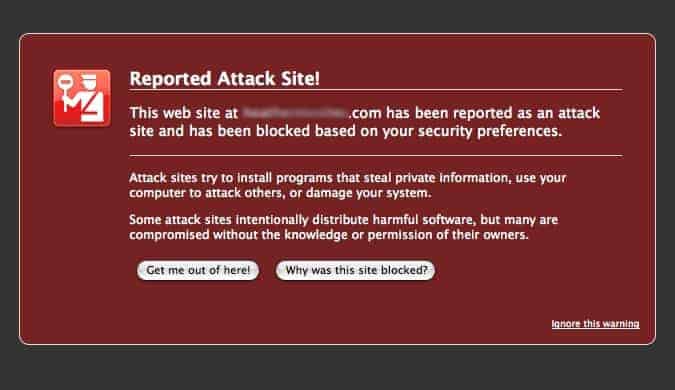
The bad news, however, is that like all software, the CMS is also updated, as is the web server software. That’s where the problems start. Unlike the software running on your computer, over which you have complete control, the CMS is installed on a server, which is managed by the hosting company. The server operating system software is updated by the hosting company with new versions and security patches, just like that on your computer, but the CMS you chose is not. Now we have a problem. With the multitude of hackers out there (we see attacks sourced almost every day from China, Russia, Turkey – quite literally all over the world), any software installed on a server has to be extremely robust. The slightest exploit by a hacker risks you losing your entire website. Is your website down?
Not quite. Of course, regular backups are advisable in any instance and are a surefire method of restoring your website in the event of disaster recovery, especially if your site has been hacked. However, when the hosting company updates the server operating system software and your website breaks because the CMS has not been kept up-to-date, that’s when the trouble really starts because no backup will work if the underlying software is incompatible.
If you are running a CMS that is several years old, the chances are that within the next few months, if not already, your ageing software is going to risk breaking completely because of incompatibility with newer server software. When the CMS software breaks, so does your website. Is your website down?
Very definitely. And there is little prospect of getting it back without highly expensive recoding work, which will only be a temporary stay at best. Your best plan is to think about upgrading your CMS to the newest compatible version and subscribing to a maintenance plan that takes care of updates and security patches. Granted, it’s an expense that you probably haven’t considered, but what would be the cost of not doing so? Could you risk losing your website and can you afford the downtime and expense of resurrecting it? Prevention is better than cure, as they say, so here are some suggestions for what to do to mitigate the risks.
Upgrade your CMS
Get planning now! Budget for an upgrade to the latest compatible version of a good CMS. If you’re running Joomla! 1.5, that CMS will be end-of-life this summer. That means no more updates or security patches and increased vulnerability to hacker attacks and incompatibility with newer server software. If you’re running WordPress 2.x, that is already end-of-life. Plan for your CMS upgrade and pay a small monthly maintenance fee to ensure that it is kept up-to-date. Don’t think about upgrading and put if off for later; do it now. Plan the work and work the plan!
Refresh the design
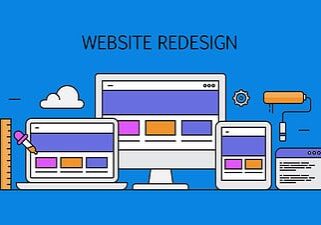
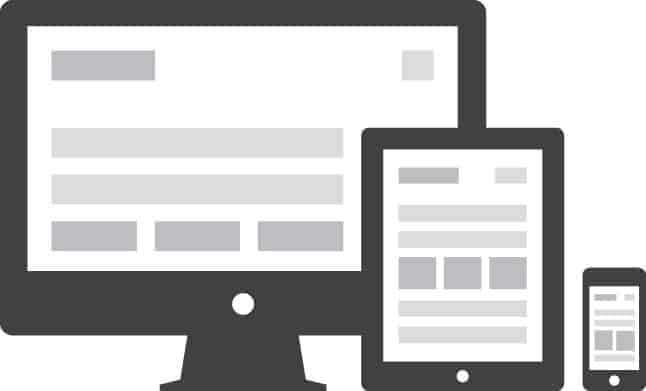
If you’re planning the move to a new CMS version, why not take advantage of the opportunity to refresh the design by getting a responsive template or theme for your website. Responsive web design (often abbreviated to RWD) is an approach to web design in which a site is crafted to provide an optimal viewing experience — easy reading and navigation with a minimum of resizing, panning, and scrolling — across a wide range of devices from desktop computers to tablets and smartphones. Looking at the latest statistics, upwards of 20% of UK web traffic is sourced from smartphones and that figure is set to increase over the next 2-3 years to 60-80%. Clearly, it will pay dividends to ensure your website is optimally viewable on each size of device (desktop computer, tablet, smartphone) as viewing habits change to accommodate the increased use of smartphones and tablets. Whether or not you are on top of your website statistics, you can guarantee that your site is being viewed on a wide variety of devices and that the proportion of exclusive desktop use will be declining already. Besides, a newer theme or template is less likely to be subject to hacker exploit, so you have even more incentive to consider it.
2013 is the year to make it happen. We are always happy to help. All you have to do is contact us and we’ll guide you through the process. Better to be safe than sorry.

Edward Solomon has over 30 years’ experience in project management, technical education, computer networking, web design and development and is a Digital Business Consultant for PENNInk Productions Ltd.