Your website is an essential business tool. Having a good-looking site isn’t enough any more, though. Your website needs to work for you actively by attracting new business and driving your company forward. Very few SMEs or solopreneurs have significant funds to spend on their website. By focusing on certain key principles when developing and managing your website, it will almost certainly yield a healthy return on investment. Here are ten steps to ensure your website works hard for your business.
1. Focus
Always remember that your website is a business tool. While good design is important, first and foremost it has to be business-led. Current and potential customers increasingly engage with companies via their websites, so you should think of it as your showcase. Developing an identity starts with consistent branding and your website is a core part of that. This is then continued through marketing, digital media (website, microsite, video etc.), social media (Facebook, Twitter, etc.), print media (stationery, brochures etc.) and other activity.
Always remember that your website is a business tool. Share on X2. Review
While you may be perfectly happy with your website for the time being, you should review it regularly to ensure that it still meets your needs and, most importantly, that of your customers. Does it reflect changes in the market? Does it still address your target audience? Are the design and content still relevant? Does it still accurately showcase your business? Remember that if your website has been around for several years, it’s often difficult to remain objective, so it will suit the purpose to solicit opinions from outside sources, who can bring a new perspective.
3. Differentiate
Website users have a limited store of goodwill, which means they will quickly leave a site that makes them think too much, confuses them, or doesn’t capture their attention. Thanks to faster connections and improved software, website design has evolved so that graphics and images can now be bigger and better. This matters because graphics and images, or even video, are a key part of establishing and reinforcing your branding and identity. A design that stands out from the crowd is another way to help you really differentiate yourself from the competition. Ensure your site looks attractive and professional, as well as checking its functionality (gallery, portfolio, testimonials, forms, event management, ecommerce, external payment gateway integration, etc.). Ultimately this will help to increase visitors, page view rates, and, crucially, new business.
4. Develop
A website should be constantly under development, not just while it’s being created. Sadly many tend to think of their website as a completed project, rather similar to sending an item of print media such as a brochure to the printer. They fail to grasp the fact that a website can and should be updated regularly. By changing and adding relevant content, you can keep your site fresh and provide users an incentive to return. This can be done by writing articles for a business blog, adding to news sections, and creating links to and from your site. Clients, casual visitors, and search engines are attracted by sites that are constantly updated. If Google sees that your content is being updated, it will crawl the site more often. The net result is likely to improve your Google page rankings. The caveat is that there is a specific skill in writing relevant content featuring the most popular key search phrases, which may refer to specific products or services, geographical areas or a particular customer need. It may serve your purpose to engage a copywriter to outsource this requirement.
A website should be constantly under development, not just while it's being created. Share on X5. Optimise
When searching for products or services, there is a high probability that someone will use a search engine, so it’s vital that your site is crawled by them. SMEs and solopreneurs may think that only larger businesses are capable of reaching the first page of Google search results, but in truth anyone can rank highly if they use the right techniques and are prepared to put in the time and effort that is required both to get there and to stay there. The process is complicated by the fact that search engines are constantly changing, which means your Search Engine Optimisation (SEO) efforts need to be ongoing; it’s not just a question of “set it and forget it”. Your site will also require off-site optimisation, which involves linking to and from other sites, as well as additional activities such as social media marketing, creating a business blog and current content to enhance your site’s overall content package.
6. Prioritise
Always have a clear strategy for your business and for your website. Set short, medium and long-term goals, but be aware that a web designer may not be the best person to help you achieve them. Designers often lack experience in SEO, which means that any optimisation of title and meta tags will be at a basic level and unlikely to generate the traffic that an active marketing strategy devised with an SEO/web marketing specialist will achieve.
Always have a clear strategy for your business and for your website. Share on X7. Advertise
SEO and other tools such as Google Adwords are more highly targeted than offline advertising. This means that anyone actively searching for your product or service will be directed towards your site. An investment in these can provide a greater return on investment than advertising in a printed magazine, for example.
8. Pay-per-click
There are also relatively new strategies for online marketing including social media, video, and pay-per-click advertising, some of which you may be uncomfortable or unfamiliar with. You simply cannot do everything. Financial and time constraints inevitably mean that you are going to have to select the media and tactics that work best for your business.
9. Respond
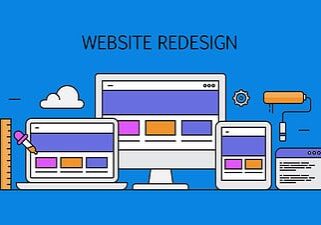
Smartphones and tablets are now a primary means of accessing the Internet, which will only increase in the foreseeable future to the point where the majority of searches will be mobile. It’s vitally important to have this in mind when creating or reviewing your website. A smartphone- and tablet-friendly site is now a requirement, especially after Google’s recent changes to its mobile search algorithm. As long as you follow tips 1-8, a responsive website is much more likely to increase sales and raise your profile, particularly if your business is primarily B2C. Although responsive web design (RWD) is a whole topic in itself, in a nutshell a mobile-friendly site should be built around the existing website, reinforcing the brand identity right down to the smallest device screen. From the user’s perspective, your site needs to capture the key elements of your marketing strategy, offering a point-and-tap functionality that allows the user to access the aspects that interest him/her.
10. Encourage
Now you’ve done the hard part, creating an attractive, functional website that can be found easily and stands out from the competition, ensure you take the final step and encourage visitors to interact. Include and draw their attention to clear calls to action throughout your site. Add a reminder to “call us”, “email us” or “buy now”; it’s easy and incredibly effective.
Although far too many SMEs and solopreneurs treat a website as a one-off purchase and project, your website should always be a work in progress, constantly being refreshed and developed. As search engines continue to evolve, content and SEO strategies need to be revisited and revised on a regular basis. If our experience has taught us anything, it’s sites that are proactively managed and updated that contribute most to business growth. The best web developers will work in a partnership with you to help you “make your website happen”, with constant review, dialogue and improvement.
Your website should always be a work in progress, constantly being refreshed and developed. Share on XNo matter what size your business is, you can create a well optimised, easily found, effective website with a relatively limited budget if you follow these key points.

Edward Solomon has over 30 years’ experience in project management, technical education, computer networking, web design and development and is a Digital Business Consultant for PENNInk Productions Ltd.