If you know anything at all about those three big letters – SEO – it’ll presumably be that they’re all about getting strong rankings in the search engines for your website. SEO does stand for ‘search engine optimisation’, after all.
What you might not know, though, is that SEO is nowhere near as simple as it used to be. Once upon a time, you could rustle up a few keywords, sprinkle them across your site, get a few other sites to link back to yours… and your work would be more-or-less done.
Alas, that’s not the case anymore. For one thing, Google is constantly updating and reshaping its algorithms. It does this to help bring human searchers the most useful and relevant results from the searches they might make. A consequence of this, though, is that it’s also become harder and harder for websites to ‘game the system’ to achieve high rankings.
But what does all of this have to do with user experience?
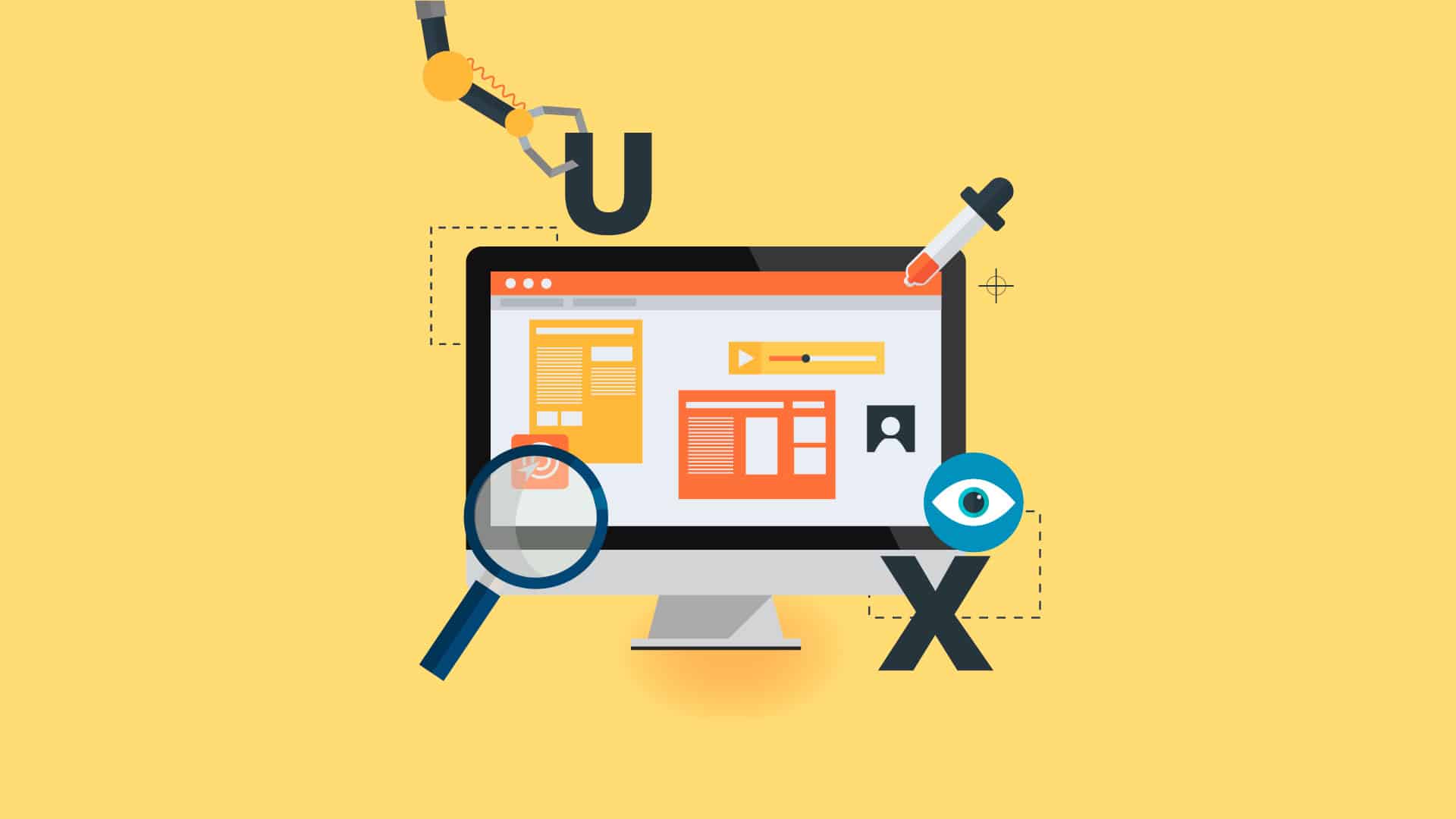
Well, we’ll get to that in a minute. But in a nutshell, user experience – also sometimes referred to as ‘UX’ – centres on providing the most optimal experience to human users. If that already sounds familiar, it’s because it’s what search engines like Google are trying to do, too.
So, you can hopefully already get a sense of how SEO and UX might go hand-in-hand. Certainly these days, a good SEO marketing agency does not believe in simply ‘gaming the system’.
Great SEO and great UX are a perfect partnership
To provide greater insight into this, let’s look closer at what a positive user experience actually does. Think back to the best websites you’ve ever landed on. A website with strong UX makes your life easier by being pleasant to look at and easy to browse, so that you can quickly find what you need – whether that’s information, or a particular product or service.
But these are things that Google very much cares about, too. Indeed, the search giant has long communicated through various channels – its own Search Central Blog, its search quality guidelines, interviews and so on – that the quality of a website impacts on its search engine rankings.
You aren’t, then, going to be able to attract high positions in the SERPs (search engine results pages) if your site isn’t easy to use on all devices, packed with genuinely useful content, fast-loading and straightforward to navigate. Your site must also be coded in a way that allows Google to easily assess its quality, which is where on-site SEO comes in.
These, of course, are key hallmarks of strong UX. Google cares about UX as it doesn’t want to direct its users to sites that provide a poor-quality experience to human users – so it increasingly looks to reward the best search engine rankings to sites that do have great UX.
Bear in mind, too, that Google won’t just look at your website itself, but will also put how your website is used under its magnifying glass. That will mean scrutinising such factors as how much time visitors spend on your site, and its ‘bounce rate’ – the percentage of users who leave your site after viewing only one page.
And it’ll also be interested in what other people think about your site. That’s reflected online in such things as social recommendations and reviews. Again, good UX will enable your site to perform better when it comes to these key factors, and will have a positive knock-on effect on your brand’s search engine rankings as well.
Get the best out of your online presence with our help
Hopefully, this article will have gone some way to demonstrating to you that while SEO and UX are not exactly the same things, they do have a potent relationship with each other. That in turn will have big implications for how you work with your chosen SEO marketing agency.
When you’re on the lookout for such an agency, why not choose a business with the stellar expertise and track record of PENNInk Productions? Call 020 8144 7931 or send us an email today, and we can soon get on with “holding your hand while building your brand”.

Edward Solomon has over 30 years’ experience in project management, technical education, computer networking, web design and development and is a Digital Business Consultant for PENNInk Productions Ltd.