Working with a web designer is a tricky business – it’s not a regular part of most people’s daily worlds! We do it all the time and thought we would share our top 10 tips for successful client projects (and equally successful relationships).
1. Designers don’t like deadlines
Nobody does… but designers especially hate really tight deadlines that impact the quality of their work. They need time to brainstorm, mull things over and come up with a few concepts – usually one of which they are really excited about.
2. Get your ideas in before everything is complete
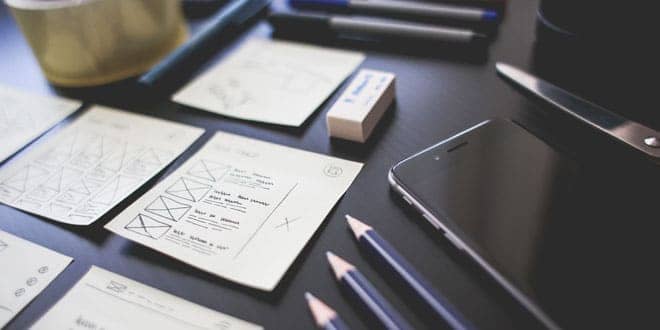
Although every designer loves the ‘reveal’ of the great work they’ve done, they do need show you the work in progress to ensure they fulfil the brief and are on the right track. Working collaboratively is a great approach – from initial sketches, style tiles and wireframes to the working prototype – to ensure you’re both happy with the final results.
3. Test on real people
You may not always agree with your web designer, but you have obviously hired a professional and ultimately, the project is yours and you have to like it (or at least your users do!). Designers are not always right! Test any major issues on real people and get an impartial view of any problem to ensure the right solution.
4. Multiple designs are a mistake
If you have worked with your designer from the beginning and the direction has been agreed, the idea of ‘seeing a few designs’ and selecting one is the wrong approach. Shape the project in a collaborative effort with your designer and then work through any points that aren’t working for you through to production.
5. Be careful of opinion
Everyone has an opinion. If you show 10 people, you’ll get 10 opinions! This will create self-doubt and more issues and can turn into design by committee – never a good thing! Asking people who know the background and the requirements of the project and the business objectives is important – and be selective.
6. Make sure your website meets your business objectives
This will help your designer focus on what they need to focus on and use their creative skills to sort out the how. As important as your website it, your business objectives behind the website are even more important. Make sure your designer knows these objectives and work collaboratively to meet them.
7. Clearly define your target audience
Often designers can see things from another’s perspective. You are creating a website for your clients and prospects – not yourself. Make sure your designer knows your target audience and has them in mind when working on your project. What will they get from your website?
8. Tweak, but stop!
Design is subjective – you can go on forever adjusting and tweaking your website design, but you must know when to stop and launch the website. If it does the job, if it meets the business objectives, and if it appeals to your target audience – stop overworking the design! As ‘Digital Ink Never Dries’ once the site is launched, see what the users interact with and reassess and refine if necessary.
9. Partner with your designer
‘Digital Ink Never Dries’, so make sure you work with someone you know will be there when you’re ready to reassess and refine to ensure you get your return on investment (ROI).
10. Focus on problems not solutions
As the client, your job is to let the designer know what is not working, not offer a solution to fix it. If the text is not standing out, don’t suggest an alternate font, just tell your designer ‘The text needs to stand out more’. It is your designer’s job – and what you’re paying them for – to come up with a solution. Perhaps another font is not the solution, perhaps making the background lighter or font darker is the solution. Let them use their years of experience to solve the problems you present.
These are just a few things that you can focus on to ensure a great on-going relationship with your designer, as websites are not made to be built and left alone.
Read on to find out how we work with our clients.

Lisa Penn is a Visual Communications Specialist with a background in user experience and psychology. She has held a variety of roles encompassing user experience creative strategist, architect and manager, where she has successfully bridged the gap between design, technology and development.